



Smarter Route Planning with Chevrolet Express Cutaway around Selma, TX
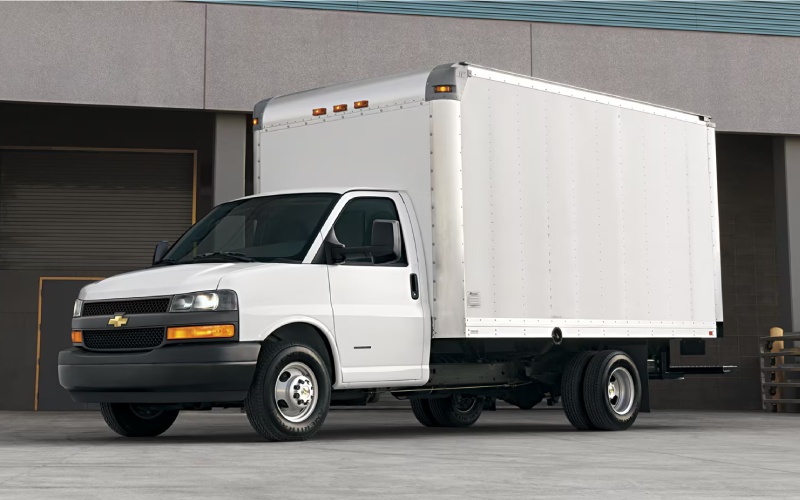
Ancira Winton Chevrolet – Smarter Route Planning with Chevrolet Express Cutaway around Selma, TX
When a workday is defined by tight turns, short merges, and constant door rolls, the right cutaway configuration pays for itself in minutes saved and headaches avoided. Chevrolet Express Cutaway has earned a strong reputation with service fleets, local delivery teams, and shuttle operators thanks to a straightforward chassis, dependable V8 power, and upfit-friendly electrical architecture that supports liftgates, interior LEDs, and telematics without a tangle of splices.
Route patterns around Selma blend Loop 1604 interchanges with surface-street stops and quick jumps onto I-35. That calls for torque-rich launches with a stable, predictable chassis. Selecting the correct wheelbase and axle ratio is where the win begins—shorter wheelbases help with alley access, while an axle ratio optimized for stop-and-go keeps shift points calm with a loaded box.
Spec Basics That Matter
Start by mapping real payload: body weight, shelving, tools, average cargo, crew, and a full tank of fuel. The more accurate your baseline, the easier it is to choose between 3500 and 4500, and then fine-tune wheelbase for body length and overhang. For frequent dock work and narrow side streets, a tighter turning circle often outweighs a few extra inches of cube. Conversely, taller boxes and reefer units lean toward the 4500 with dual rear wheels for crosswind stability and higher alternator output.
- Payload planning: Add up body, equipment, cargo, crew, and fuel to set GVWR
- Wheelbase fit: Match body length and overhang to alleys and dock angles
- Axle ratio: Choose startability for urban routes or lower rpm for highway legs
- Electrical capacity: Confirm alternator output for liftgates and refrigeration
- Fuel strategy: Larger tanks reduce off-route refueling on dense loops
These decisions lock in day-one performance—and long-term costs. Over-spec and you carry weight you do not use; under-spec and you invite premature brake and tire wear, more heat in the transmission, and driver strain.
Upfitting That Works on Real Streets
Service bodies thrive on organization: enclosed compartments, adjustable shelving, and a secure interior pass-through keep crews efficient. Box bodies benefit from curbside access, roll-up rears, and translucent roofs that brighten interiors without drawing extra current. Add grab handles, anti-slip steps, and LED scene lighting to cut slips and speed loading. For repeat routes, consider barn doors with hold-opens where docks allow; on urban curbs, roll-up doors save space and reduce swing hazards.
Electrical decisions ripple across uptime. Build in fused circuits for strobes, work lights, and telematics. Label the upfit harness clearly for faster troubleshooting. If refrigeration is on the plan, verify compressor power draw and isolate circuits to prevent nuisance shutoffs under heavy accessory loads.
Driver Confidence and Safety
San Antonio’s wider network funnels into Selma during peak hours, so small touches help drivers keep focus: a rear vision camera aids alley egress, while clear mirror extensions and backup alarms improve awareness in crowded lots. StabiliTrak and hill start assist support consistent control when launching with a loaded box on grades or wet pavement. Inside, durable seats and easy-clean floors matter more than you might think—crews hop in and out all day, and comfort reduces fatigue that can lead to errors.
Telematics rounds out the toolkit. Use idle-time alerts to coach behavior at long stops. Compare routes to spot recurring delays and tweak departure windows. Over time, you will see maintenance savings as smoother driving reduces brake and tire churn.
Lifecycle Thinking: Service and Costs
A cutaway spends most of its life under load. Following severe-duty maintenance intervals—especially for engine oil, transmission fluid, brakes, and tires—keeps the powertrain cool and reliable. Standardizing specs across your fleet simplifies parts stocking and technician training, trimming downtime when a vehicle needs attention. Build a habit of weighing fully loaded trucks a few times a year; if routes creep heavier, you will catch it before wear patterns tell the story the hard way.
Spec discipline also pays off at resale. Fleets with clean, consistent builds and documented service histories command stronger bids. Keep upfit documentation in the glove box and maintain clear labels on accessory circuits; buyers recognize a thoughtful build when they see one.
Local Advantage and Support
Route knowledge matters. Loop 410 merges, I-35 headwinds, and business-district loading constraints shape each build. A quick pre-build run along planned stops can reveal turning conflicts or dock-height quirks that change body choice or door style. Practical testing beats guesswork every time and protects budgets from after-the-fact modifications.
For coordinated chassis, upfit, and service planning—plus real-world route insight—our team is here to help, proudly serving Castroville, Selma, and Boerne with Business Elite know-how and a deep bench of body-builder partners. Ancira Winton Chevrolet aligns body specs, axle ratios, electrical loads, and delivery timing so your vehicles arrive ready to earn, not wait on rework.
Frequently Asked Questions:
Can I right-size a mixed fleet without confusing drivers?
Yes. Standardize controls, mirrors, lighting, and labels across builds; vary only GVWR and wheelbase as needed. Familiar cabs speed training and reduce errors.
How do I decide between 3500 and 4500?
Weigh real loads. If payload plus body and gear approach the 3500’s limit, the 4500’s dual-rear-wheel stability and brake capacity will pay off in uptime and tire life.
What door style suits city routes?
Roll-up rears for tight curbs; barn doors where docks provide space. Add curbside access for faster, safer retrieval of small parcels.
Do telematics really reduce costs?
Yes. Data-backed coaching lowers idle, smooths driving, and extends brake and tire life, while GPS insight trims wasted miles.
How do I prevent electrical gremlins?
Use fused, labeled circuits via the upfitter interface, isolate high-draw accessories, and document wiring for quick diagnostics.
0 comment(s) so far on Smarter Route Planning with Chevrolet Express Cutaway around Selma, TX