



Smarter Chevrolet Work Truck Upfits for Utility Crews around Castroville, TX
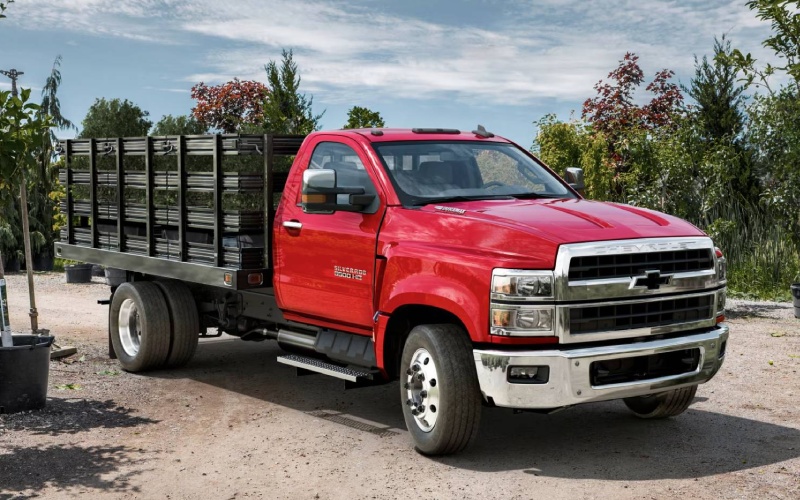
Ancira Winton Chevrolet – Smarter Chevrolet Work Truck Upfits for Utility Crews around Castroville, TX
Utility and infrastructure crews juggle shifting sites, evolving material lists, and long days spent on the move. Choosing a Chevrolet work truck and upfit that respects those realities can reduce strain on your people, simplify inventory control, and protect schedules. This guide walks through real-world considerations utility teams face around Castroville, TX and the surrounding corridors, translating day-to-day constraints into practical truck and body choices.
Start by mapping the crew pattern. If two techs handle meter pulls and light service calls, a mid-size Colorado with bed racks and lockable boxes offers agility, fuel efficiency, and easy parking near residential easements. If four to five crew members handle fiber splicing or water main cut-ins, a Silverado 1500 or 2500 HD Crew Cab with a service or combo body helps seat everyone comfortably while securing specialized tools and test equipment in weather-tight compartments.
Wheelbase, CA, and Body Fit
Upfit success begins with numbers. Wheelbase and cab-to-axle dimensions determine whether a 9-foot service body or 12-foot platform centers correctly over the rear axle, clears the DEF tank, and preserves departure angles for jobsite entrances. The right pairing keeps weight balanced, braking confident, and handling predictable in crosswinds on US-90 or along the I-410 loop. For taller bodies or crane provisions, Dual Rear Wheel adds tire contact patch and lateral stability at speed and on crowned county roads.
Service managers should also consider overall height and door clearances. A crane or ladder rack can conflict with tree canopies on rural cuts or downtown overhangs. Pairing lower-profile boxes, well-mounted ladder hooks, and carefully routed strobe wiring prevents snags and reduces equipment damage over time.
Powertrains and Electrical Prep
Chevrolet engines scale capability without punishing daily drivability. The 3.0L Duramax turbo-diesel on Silverado 1500 balances smooth torque and range for long circuits, while the 6.6L gas V8 on Silverado 2500 HD provides robust low-end response and simplified fueling logistics for mixed fleets. The 6.6L Duramax turbo-diesel and Allison pairing steps power and cooling up another notch for heavy tow days or compressor-driven tasks.
Utility bodies often need clean, reliable power for lights, inverters, and small hydraulics. Factory upfitter switches, dual alternators where available, and OEM-spec wiring preps reduce downtime from electrical gremlins. For winches or cranes, verify PTO support on Chassis Cab or Medium Duty, then size hydraulics and reservoir placement to clear frame, exhaust, and aftertreatment components without heat soak.
Trailering Tech That Builds Confidence
Rotating trailer assignments can challenge newer drivers, especially at crowded job staging areas. Chevrolet’s trailering suite shortens that learning curve. Multiple camera views improve rear visibility, align hitches quickly, and help monitor cable reels, pumps, or generators strapped in the bed. The In-Vehicle Trailering App stores pre-trip checklists and trailer profiles, simplifying brake gain settings and light tests. Integrated trailer brake control and Tow/Haul shift maps keep deceleration consistent, reducing wear on pads and rotors during stop-and-go moves along FM 471 or Potranco Road.
When routes dip into gravel or freshly graded pads, 4×4 with an automatic locking rear differential curbs wheelspin and protects schedules. Spec all-terrain tires with appropriate load ratings and a tread that clears mud without droning excessively on pavement. Small choices like that make long days feel shorter.
Body Choices for Common Utility Tasks
Match the body to the task mix. A balanced service body with deep vertical compartments protects multimeters, fusers, hand tools, and PPE while keeping parts labeled and easy to reach. A contractor combo adds a work tailboard and ladder racks, doubling as a mobile bench for fusion splicing or meter programming. For crews that set small transformers or handle valve operations with heavier gear, a reinforced mechanic body with outriggers and a small crane may be justified.
Platform or stake beds shine when hauling pallets of fittings, conduit, or bagged aggregate. Add underbody boxes for straps, chocks, and spill kits, and choose stake heights that keep a low center of gravity while containing odd-shaped loads. If weather is a frequent factor for sensitive electronics or adhesives, consider an enclosed dry van body with interior lighting and shelving that aligns with your parts catalog layout.
SRW vs DRW and Brakes, Tires, and Cooling
Single Rear Wheel trucks move easily through older neighborhoods and tight alleys, and they simplify tire inventories. Dual Rear Wheel adds stability and payload headroom, smoothing highway manners when crosswinds pick up near open fields. Whichever route you choose, match tire load ratings and brake packages to max working weight, not just curb figures. Heavy-duty cooling, high-capacity alternators, and skid plates can all be smart investments for longevity when idling at sites or climbing grades toward Helotes and Grey Forest.
Downtime is expensive. Choosing brake rotors, pads, and fluids rated for heavier cycles pays back in fewer mid-week shop visits. Sticking with OEM parts and specifications reduces surprises after a hard stop with a loaded bed or during repeated low-speed, high-heat maneuvers in summer traffic.
Operational Details That Save Time
Fleet decals, beacon lights, and scene lighting are more than branding and visibility. Bright, thoughtfully placed lighting cuts setup time at dusk or pre-dawn starts, while reflective materials improve safety around moving equipment. Mounting a power strip and calibrated torque tools inside a service body can shave minutes per task, compounding into hours saved weekly. Use dividers, labeled drawers, and QR-coded bins that sync with your inventory software to speed restocking and reduce return trips.
Telematics that monitor idle time, fuel use, and fault codes help managers assign the right truck to each route. If a unit frequently tows in hilly sections or spends long periods idling to power tools, you will see it in the data and can adjust maintenance intervals and assignments proactively.
Spec, Upfit, Support
The smartest path is a structured spec. Document crew size, heaviest routine load, largest trailer, and typical surface conditions. Define the top five tools or machines that must travel every day. With those anchors, you can select cab style, wheelbase, axle ratio, and GVWR class confidently. Then choose a body that protects your exact inventory and keeps the center of gravity low. Finally, lock in electrical prep, lighting, racks, and PTO details that minimize splicing and field fixes.
At Ancira Winton Chevrolet, our team supports that entire process, from first spec to long-term service. With Business Elite expertise serving Castroville, Selma, and Boerne, we focus on uptime, safety, and predictable operating costs so your crews can stay on task and your projects move forward.
0 comment(s) so far on Smarter Chevrolet Work Truck Upfits for Utility Crews around Castroville, TX