



Is the 2027 Chevrolet Bolt Easy to Charge for Laredo, TX Drivers?
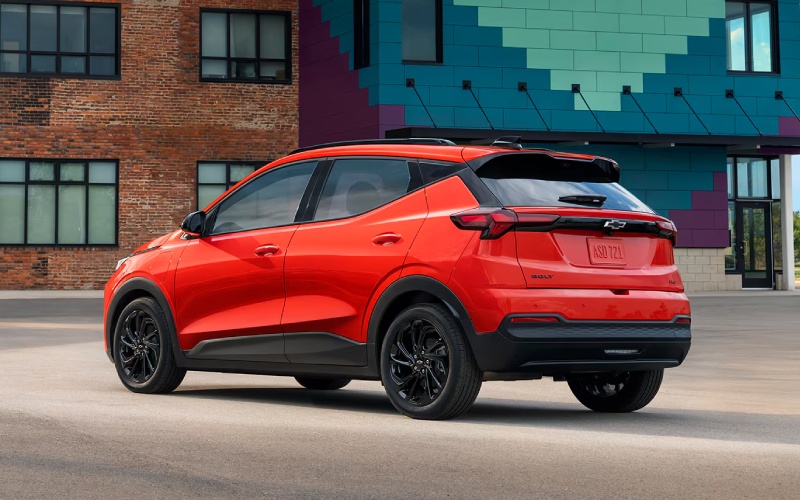
Ancira Winton Chevrolet – Is the 2027 Chevrolet Bolt Easy to Charge for Laredo, TX Drivers?
Charging confidence plays a major role in deciding whether an electric vehicle makes sense for daily driving, and the 2027 Chevrolet Bolt gives shoppers a strong reason to feel ready for the switch. Chevrolet designed the new Bolt with a standard NACS charge port, support for 150 kW+ public DC Fast Charging, and a GM-estimated 10%-80% charging time of about 25 minutes with DC public fast charging. For drivers traveling around Laredo, TX, where daily routes can include local errands, work commutes, school schedules, and regional highway driving, those details matter because charging should feel like part of the routine rather than a source of stress.
The 2027 Bolt is also backed by an EPA-estimated 262 miles of electric range, which gives many shoppers the flexibility needed for normal daily use before looking for a charger. Range and charging work together: range determines how often a driver needs to plug in, while charging speed and access determine how simple it feels when that time comes. With the new Bolt, Chevrolet focuses on both sides of the equation, making it a compelling choice for shoppers who want a compact EV that is practical beyond short local trips.
Why the Standard NACS Charge Port Matters
The standard NACS charge port is one of the most important updates for the 2027 Chevrolet Bolt because it helps simplify public charging access. Chevrolet notes that its expanding network includes more than 250,000 available chargers throughout the U.S. and Canada, including compatible Tesla Superchargers. That is especially valuable for drivers who want the freedom to charge beyond a single provider or local station.
For Laredo-area drivers, the benefit is not only about road trips. It is also about everyday convenience. A shopper who works across town, visits family in nearby communities, or regularly drives between local commercial areas and residential neighborhoods may appreciate having broader charging compatibility. The easier it is to locate a compatible charger, the more natural EV ownership can become.
How Fast Charging Supports Real Schedules
Chevrolet lists GM-estimated 10%-80% charging in about 25 minutes with DC public fast charging. That kind of charging speed can make a meaningful difference when a driver needs to add range while away from home. Instead of planning around a long stop, Bolt owners can use a compatible DC fast charger during a practical break, such as a meal, a shopping stop, or a pause between appointments.
Chevrolet also states that the new Bolt offers more than 2.5x faster charging than the Bolt EUV. For shoppers comparing the latest Bolt to earlier EV experiences, that improvement is important. It shows that the 2027 model is not simply bringing back a familiar name; it is improving the ownership experience in a way that directly addresses a major EV question.
Home Charging vs. Public Charging
Many EV shoppers begin by asking whether home charging is necessary. The best answer depends on the driver’s living situation, commute, and schedule. Home charging can be very convenient because it allows a driver to plug in overnight and start the next day with a ready battery. However, the Bolt’s public fast-charging capability and standard NACS charge port help support drivers who also need reliable charging away from home.
A balanced charging plan may include both home and public options. Home charging can handle the routine, while public charging supports longer days, regional trips, or unexpected schedule changes. The 2027 Chevrolet Bolt is designed to make that mix easier by giving owners modern charging compatibility and practical electric range.
- Daily drivers: Home charging may cover most weekday use, especially with predictable commuting and local errands.
- Apartment or townhome residents: Public charging, workplace charging, or shared residential charging may be part of the ownership plan.
- Regional travelers: DC public fast charging helps add range more quickly when driving beyond the usual routine.
- New EV owners: Learning charger locations and charging habits early can make ownership feel more comfortable.
Thinking about these categories helps shoppers build a realistic plan before buying. The goal is not to overcomplicate EV ownership, but to understand how the Bolt’s range and charging tools can match real driving patterns.
What About Charging to 100%?
Chevrolet notes that with the 2027 Bolt’s new battery technology, regularly charging to 100% capacity is recommended to achieve the fastest overall charging speeds. That is a helpful ownership detail because many EV shoppers have heard general advice about limiting charge levels, but guidance can vary by vehicle and battery design. For the Bolt, following Chevrolet’s recommendations is the right approach.
This is also why it helps to work with a Chevrolet team that can explain vehicle-specific EV information. Charging strategy is not only about plugging in; it is about understanding how the vehicle is designed, how to use public charging effectively, and how to make each drive feel predictable. When a shopper understands those details, the transition to electric driving becomes much easier.
Technology That Helps Along the Way
The Bolt’s charging story is supported by its cabin technology. The 11.3″ diagonal touchscreen and 11″ diagonal Driver Information Center make important information easy to see, while Google built-in* compatibility can support hands-free help for real-time travel and entertainment needs. A driver can use the vehicle’s technology to make driving and planning feel more connected and less demanding.
Available wireless phone charging also supports everyday convenience by reducing cable clutter inside the cabin. These details may seem small compared with range and charging speed, but they add up. A good EV ownership experience depends on clear information, easy controls, and a cabin that supports the driver’s routine.
How to Evaluate Charging During the Shopping Process
Before choosing an EV, shoppers should take time to evaluate charging as part of the buying process. The 2027 Chevrolet Bolt makes a strong case with its standard NACS charge port, fast public charging capability, and EPA-estimated 262 miles of electric range, but every driver’s needs are unique. A practical checklist can help organize the decision.
- Map your weekly driving: Estimate commute distance, errands, school routes, and regular weekend travel.
- Identify charging locations: Look for home, workplace, and public charging options along your common routes.
- Ask about charger types: Understand the difference between home charging, public Level 2 charging, and DC public fast charging.
- Review long-distance habits: Consider how often you travel beyond Laredo and where charging stops may fit naturally.
- Test the technology: During a test drive, review the displays and ask how charging information appears in the vehicle.
This process helps move the EV question from theory to real life. When shoppers can see how the Bolt fits daily mileage and charging access, the decision becomes clearer and more confident.
Frequently Asked Questions:
Can the 2027 Chevrolet Bolt use Tesla Superchargers?
Chevrolet states that the 2027 Bolt’s standard NACS charge port supports compatible public chargers, including Tesla Superchargers. Compatibility and access can depend on station type and network details, so it is helpful to review charging options before longer trips.
How long does DC fast charging take in the 2027 Chevrolet Bolt?
Chevrolet lists a GM-estimated 10%-80% charging time of about 25 minutes with DC public fast charging. Actual charging times can vary based on battery state, charger output, conditions, and other factors, but the new Bolt is designed for significantly faster public charging than the Bolt EUV.
Is the 2027 Chevrolet Bolt range enough for daily driving around Laredo, TX?
With an EPA-estimated 262 miles of electric range, the Bolt offers practical flexibility for many daily driving routines. Drivers should compare that range with personal commute distance, errands, and regional travel habits to determine how often charging would be needed.
Should I charge the 2027 Chevrolet Bolt to 100%?
Chevrolet notes that with the new battery technology, regularly charging to 100% capacity is recommended to achieve the fastest overall charging speeds. Owners should follow Chevrolet guidance and the vehicle Owner’s Manual for best practices.
The Bottom Line for Laredo EV Shoppers
The 2027 Chevrolet Bolt is designed to make charging easier to understand and easier to live with. Its standard NACS charge port, DC public fast-charging capability, compatible access to a broad charging network, and EPA-estimated 262 miles of electric range give shoppers a practical foundation for EV ownership. Add in the redesigned interior, large screens, available Super Cruise®* driver assistance technology, and over 20 standard safety and driver assistance features, and the Bolt becomes more than an efficient commuter. It becomes a well-rounded electric vehicle for drivers who want convenience, confidence, and modern Chevrolet technology in a compact package.
For shoppers around Laredo, TX, the key is to think about how charging fits real life. If the daily routine includes predictable local driving, home or workplace charging may handle most needs. If the schedule includes longer regional travel, public DC fast charging and the standard NACS charge port help support those plans. The 2027 Chevrolet Bolt makes the move to electric feel more approachable because it addresses the questions that matter most before and after purchase.
0 comment(s) so far on Is the 2027 Chevrolet Bolt Easy to Charge for Laredo, TX Drivers?