



Chevy Express Cargo Van Setup and Maintenance Guide for Contractors around Selma, TX
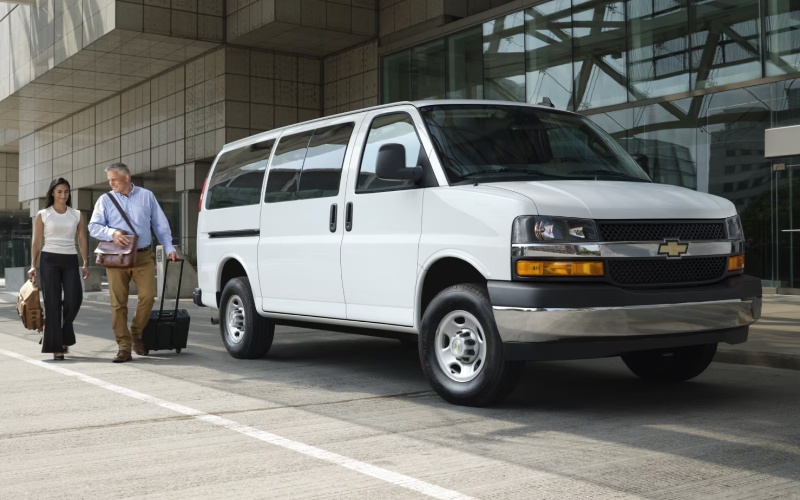
Ancira Winton Chevrolet – Chevy Express Cargo Van Setup and Maintenance Guide for Contractors around Selma, TX
For contractors who juggle service calls, emergency fixes, and scheduled installs, the Chevy Express Cargo van can be the reliable backbone of a successful workday. The key is configuration. Start with your heaviest, bulkiest items—compressors, pipe threaders, core drills—and build the interior around those loads. Place dense gear low and against the bulkhead to shift weight forward for better braking and handling, then reserve mid-level shelving for small parts and frequently used hand tools. With the Express Cargo van’s squared sidewalls, you can mount mixed-depth shelves on one side and bins on the other, preserving a center aisle that keeps crews moving quickly between stops around IH-35 and the wider corridors of Loop 1604.
Start with the right foundation
The best upfit begins with a clear inventory plan. List what travels daily, what should be modular, and what only rides along seasonally. Then choose wheelbase and payload accordingly. Extended-wheelbase vans add length for ladders and conduit, while regular-length vans can be easier to park at crowded job sites. The Express Cargo van’s robust floor accepts bolted shelving and e-track, making it easier to anchor heavy items safely—vital on hard stops and sudden detours.
- Wheelbase choice: Balance cargo length needs with maneuverability for crowded lots and alleys.
- Payload planning: Match GVWR to real-world cargo and trailer weights to protect brakes and tires.
- Anchor strategy: Combine e-track with factory tie-downs to secure dense equipment low and forward.
- Lighting approach: Add LED cargo lighting to improve speed and accuracy after dusk.
- Power on board: Use an inverter for laptop charging and battery packs between calls.
For small trades that wear many hats—plumbing, light electrical, and carpentry—consider a split-shelving layout: drawers near the bulkhead for fast-access items, open shelves down low for parts bins, and locked cabinets for high-value tools. Label everything. The minutes saved at each stop compound into extra jobs per week.
Upfit smarter, drive calmer
Driver comfort and safety are productivity tools. A partition with a window reduces cabin noise and helps the HVAC work more efficiently on long summer days. Add a rear step bumper to cut slips when loading heavy totes. On the tech side, pair a simple touchscreen with phone mirroring to keep navigation and customer calls within easy reach. Consider blind-spot add-on mirrors and a calibrated rear camera view to make tight backing off service roads less stressful.
- Design the aisle: Leave a clear center path wide enough for a person and a tote to pass.
- Sort by frequency: High-use items live between knee and shoulder height; seldom-used tools go higher.
- Protect the floor: Add a durable liner for easier cleanup and better footing in dusty or wet conditions.
- Standardize labels: Use the same color code and font across every van so drivers switch seamlessly.
- Document the build: A one-page spec with photos accelerates future van upfits and repairs.
Route planning matters, too. If your crews cross the Guadalupe River region or roll toward limestone job sites, factor in grades, crosswinds, and gravel approaches. The Express Cargo van’s stable stance and rear-drive layout handle loaded conditions well, but proper weight placement and tire pressure are the difference between a smooth day and premature wear.
Protect uptime with smart maintenance
Your van can only earn when it runs. Build a maintenance rhythm that fits your miles and loads. Oil and filter intervals are foundational; tire rotations prevent cupping on stop-and-go routes; brake inspections catch heat-spotted rotors before they turn into downtime. For fleets, create a monthly inspection card: fluid levels, belts, hoses, wipers, lighting, and cargo mounts. Make it visual, quick, and consistent. One driver’s five-minute check can save a full day of missed appointments.
- Tires and alignment: Rotate regularly and align after upfit or curb strikes to keep tracking true.
- Cooling system: Inspect hoses, clamps, and coolant health before peak heat to avoid roadside delays.
- Brakes and bearings: Loaded city routes demand earlier checks for pads, hardware, and hub play.
- Electrical health: Confirm clean battery terminals and healthy charge when running inverters.
- Door hardware: Lube hinges and check latches—doors work harder than many realize.
Keep spares on board for known consumables: a set of commonly blown fuses, extra bulbs, nitrile gloves, shop rags, and a compact spill kit. A labeled tote under the first shelf keeps these items out of the way but always within reach.
Driving and parking tips that pay off
Loaded vans reward smooth inputs. Accelerate progressively, brake earlier, and leave extra room around IH-10 merges. When backing to a dock, angle your mirrors to see both the bumper and the ground line; use a spotter whenever possible; and set the parking brake every time. For city curbs, avoid straddling uneven surfaces that twist the body while heavily loaded—your shelving will thank you. Finally, train every driver on weight distribution basics so the van stays neutral, nimble, and predictable in wind or sudden stops.
As your fleet grows, standardization becomes a superpower. Document shelf heights, bin counts, label language, and even where you mount fire extinguishers. That consistency speeds onboarding, reduces hunting for parts, and simplifies parts ordering when a bracket or latch wears out. It also keeps your brand presentation clean when doors swing open in front of clients.
Frequently Asked Questions:
Which wheelbase should I choose for my work?
Pick an extended wheelbase if you routinely carry long ladders, conduit, or multiple pallets. Choose regular length if tight lots and frequent parallel parking are part of your day.
How should I place my heaviest tools?
Low and forward. Keep heavy gear against the bulkhead and near the floor to improve handling and braking while protecting shelving hardware.
What shelving material works best?
Steel is durable for heavy, daily use. Aluminum saves weight and resists corrosion. Mix materials if you want stout drawers plus lighter open shelves.
Do I need a partition?
For most trades, yes. A partition improves safety, lowers noise, and helps the cabin cool or heat faster, which reduces driver fatigue.
How often should I realign after an upfit?
Realign immediately after major weight changes and check again after the first few weeks as loads settle and shelf hardware beds in.
When you are ready to put these ideas to work, our team is here to help design a repeatable, professional upfit that matches your routes and cargo. Ancira Winton Chevrolet is proud to be serving Castroville, Selma, and Boerne with commercial guidance that keeps vans productive and drivers confident from the first mile to the last.
0 comment(s) so far on Chevy Express Cargo Van Setup and Maintenance Guide for Contractors around Selma, TX