



Chevrolet Chassis Cab Planning for Boerne, TX Business Routes
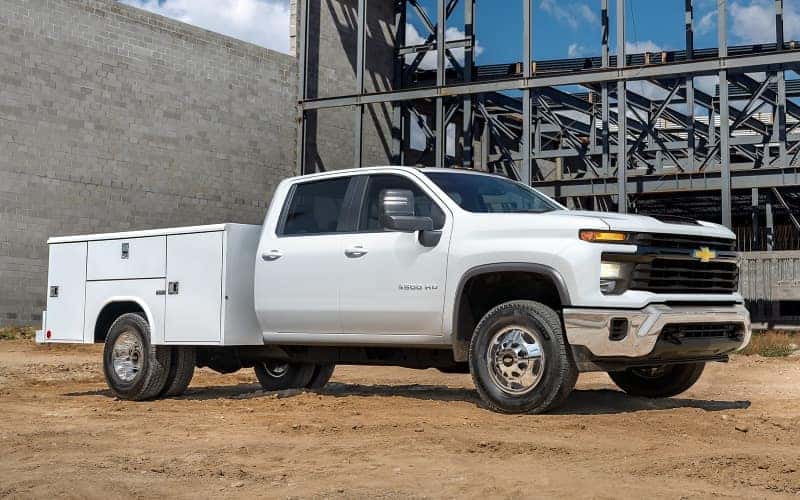
Ancira Winton Chevrolet – Chevrolet Chassis Cab Planning for Boerne, TX Business Routes
A Chevrolet Chassis Cab gives commercial operators a practical way to turn a truck into a purpose-built work tool. Instead of starting with a traditional pickup bed and trying to make storage, equipment, and jobsite access fit around it, a chassis cab creates a clean foundation for a professional upfit. That is especially helpful for business owners who run mixed routes across the Hill Country, jobsite entrances, commercial districts, and customer locations where every minute of organization matters. If your work truck needs to carry tools, secure parts, tow equipment, or serve as a mobile service bay, the chassis cab approach can make daily tasks smoother and more repeatable.
For many local businesses, the biggest question is not simply which truck to buy. The more important question is how the vehicle will be used over the next several years. A plumbing company may need enclosed compartments, pipe storage, and secure bins. A landscaping business may need a flatbed or dump body. A utility provider may prioritize side-access storage, warning lights, and equipment mounting. A contractor may need a strong platform for towing, ladder racks, and material handling. Ancira Winton Chevrolet helps business shoppers think through these practical details so the final truck supports real work instead of creating compromises.
Why Chassis Cab Planning Matters
The right chassis cab starts with the job description. Before comparing bodies or accessories, it helps to list the equipment the truck must carry every day, the heaviest expected load, the number of crew members who ride along, and the type of roads the vehicle will travel. A truck that spends most of the day on highway routes may need a different configuration than one that repeatedly enters construction sites, residential driveways, or commercial loading zones. Cab size, wheelbase, axle rating, and upfit body dimensions all influence how usable the finished truck feels.
Planning also helps with long-term value. A truck that is too small can become overloaded or inefficient. A truck that is much larger than necessary may be harder to maneuver in customer areas or tight service lanes. When the body, frame, and operating needs are matched carefully, the truck can help drivers work faster and with less backtracking. That can mean fewer trips to the shop, easier access to tools, better inventory control, and more confidence when towing or carrying heavier equipment.
Common Chevrolet Chassis Cab Upfits
Because a chassis cab is designed for customization, the range of upfit options is one of its biggest strengths. The ideal body depends on your trade, route, and equipment load. A business that needs locked storage may prefer a service body, while a company moving bulky materials may find a flatbed more practical. For crews that handle debris, dirt, or jobsite material, a dump body can add important functionality. The goal is to select a body that supports how your team works from the first stop to the last.
- Service body: A strong choice for electricians, plumbers, HVAC teams, and mobile repair businesses needing organized side compartments and protected storage.
- Flatbed body: A practical setup for hauling pallets, equipment, building materials, and irregular cargo that needs open access.
- Dump body: A helpful solution for landscaping, construction cleanup, grounds maintenance, and material movement.
- Utility body: A versatile option for companies needing secure compartments, tool access, and space for trade-specific equipment.
- Platform with racks: A useful configuration for ladders, pipe, lumber, and long materials that must be secured properly.
Upfit details should be considered early, not after the truck arrives. Items such as lighting, backup alarms, shelving, tie-down points, auxiliary power, towing hardware, and ladder access can influence the final configuration. Even small details, like which side of the truck a driver accesses most often, can make a major difference over hundreds of workdays. A thoughtful layout can reduce wasted steps and help crews keep tools where needed.
Questions to Ask Before Choosing a Chassis Cab
Business owners often begin the shopping process with a general idea of needing a heavy-duty work truck, but a few specific questions can make selection easier. The more precise your answers, the easier it becomes to match the chassis, cab, and body.
- Daily payload: What is the heaviest load the truck will carry, including tools, materials, body equipment, passengers, and fuel?
- Towing needs: Will the truck pull trailers, compressors, equipment, or other work assets on a regular basis?
- Storage style: Should tools be enclosed, side-accessible, open-deck, or arranged in bins and drawers?
- Crew size: How many workers need to ride in the truck on a typical job?
- Route conditions: Will the truck operate mostly on highways, neighborhood streets, jobsites, ranch roads, or mixed routes?
- Service planning: How will maintenance be scheduled to reduce downtime and keep the truck ready for work?
These questions are especially useful for growing companies. A business may begin with one commercial truck but later add vehicles as routes expand. Creating a consistent approach to bodies, storage, and service procedures can help drivers move between trucks more easily. It can also simplify parts management, maintenance records, and equipment placement across a small fleet.
Local Driving and Business Use Considerations
Work trucks in the greater San Antonio region often face a mix of highway speed, city congestion, construction activity, uneven jobsite surfaces, and tight parking areas. A Chevrolet Chassis Cab must be configured with that variety in mind. Maneuverability matters near customer properties. Visibility matters when backing into loading areas. Storage security matters when tools remain in the truck between stops. Towing confidence matters when equipment trailers become part of the daily schedule.
Drivers traveling between commercial corridors and Hill Country communities may also value comfort and ease of operation. A truck can be tough and still be practical for long days behind the wheel. Seating, cabin layout, controls, mirrors, driver assistance features, and body visibility all affect how easy the truck is to operate. When evaluating a chassis cab, it is smart to think about the driver as much as the cargo. A well-supported driver is more likely to stay organized, operate safely, and complete routes efficiently.
Service and Parts Support After the Sale
A commercial vehicle needs dependable service support because downtime can disrupt schedules, customer commitments, and productivity. Chevrolet Certified Service technicians understand Chevrolet trucks and can help with routine maintenance, inspections, diagnostics, brakes, batteries, tires, fluid service, and genuine GM parts. Multi-point inspections are especially useful for commercial owners because work trucks often carry heavier loads and operate more frequently than personal vehicles.
Parts support is another important ownership advantage. Genuine GM and ACDelco parts are designed to help maintain proper fit and function. For commercial trucks with upfits, it is also helpful to keep clear records of body equipment, accessories, and service needs. A planned maintenance routine can help identify wear before it becomes a larger issue, which is valuable when a truck is responsible for daily revenue-generating work.
Frequently Asked Questions:
Is a Chevrolet Chassis Cab only for large fleets?
No. A chassis cab can serve a single owner-operator, a small trade business, a municipal department, or a larger fleet. The value comes from matching the truck to the work.
Can the body be customized for a specific trade?
Yes. Common bodies include service, utility, flatbed, dump, and specialty vocational setups. Your exact configuration should be planned around tools, cargo, and route needs.
Should I choose the upfit before the truck?
It is best to plan both together. Body length, payload, wheelbase, cab style, and axle ratings should support the final upfit.
How can I reduce downtime with a commercial truck?
Use a consistent maintenance schedule, complete regular inspections, address tire and brake wear early, and work with a Chevrolet service team familiar with commercial vehicles.
For businesses near Castroville, Selma, and Boerne, a Chevrolet Chassis Cab can be an excellent platform for building a truck that works as hard as your crew. The right body, the right chassis, and the right service plan can turn a vehicle into a reliable part of your operation. Start by defining your daily tasks, then choose the configuration that supports those tasks with strength, organization, and long-term usability.
0 comment(s) so far on Chevrolet Chassis Cab Planning for Boerne, TX Business Routes